

India’s microfinance sector has long been a quiet engine of rural economic participation, and among its newer entrants, DJT Microfinance is carving a distinct identity. Founded in 2021 and headquartered in Noida, the RBI-registered NBFC-MFI focuses on providing collateral-free financial services to low-income households—with a deliberate emphasis on empowering women to become self-employed in underserved and rural areas. The company currently operates across seven states: Uttar Pradesh, Uttarakhand, Bihar, Madhya Pradesh, Jharkhand, Assam, and West Bengal.
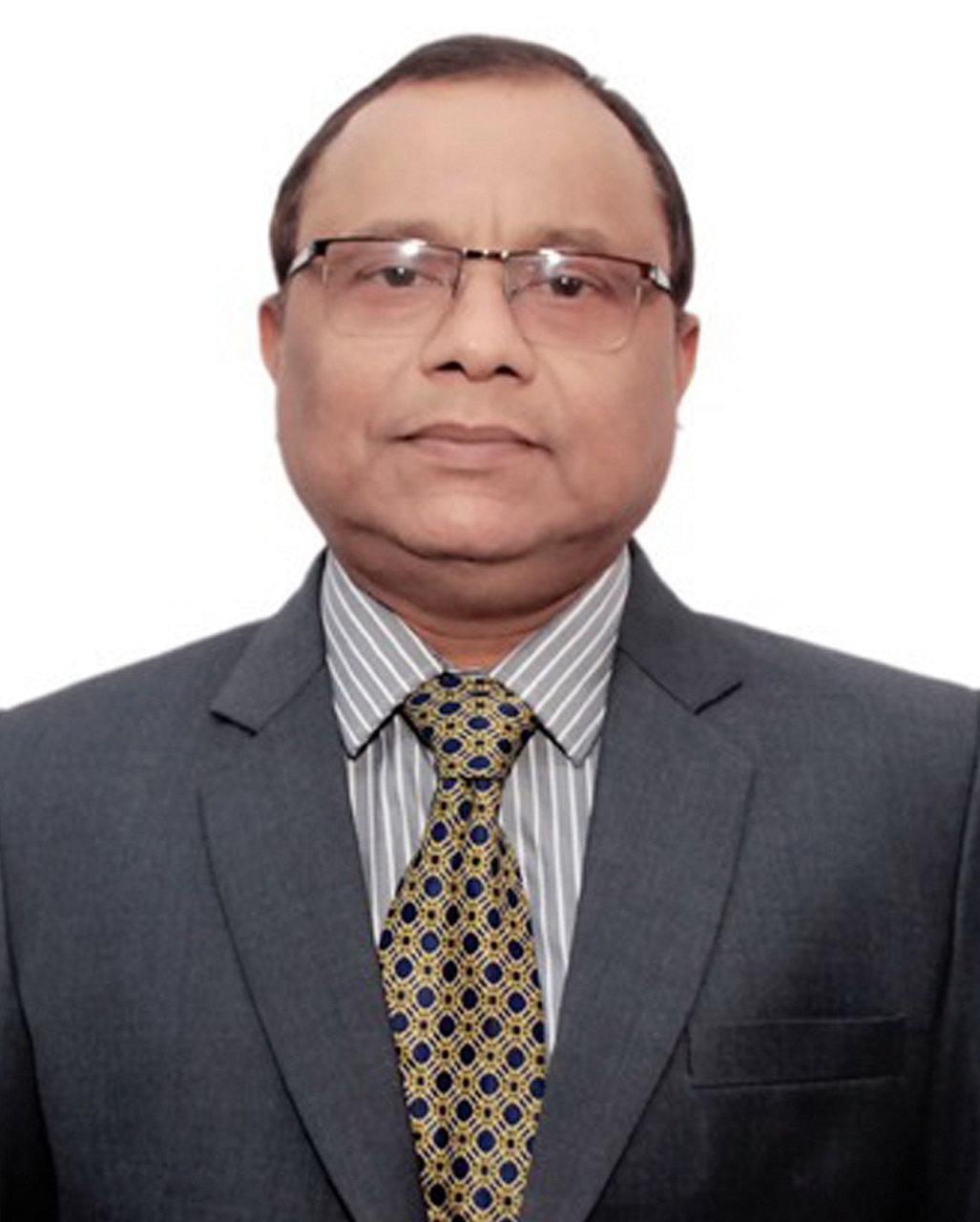
DJT’s growth story raises important questions for the broader ecosystem—how microfinance institutions are leveraging technology to scale responsibly, how they manage risk across diverse geographies, and where channel partners and solution providers fit into that journey. In this exclusive interaction with Zia Askari from ChannelDrive.in – Avinash Kumar, COO, DJT Microfinance shares his perspective on building inclusive financial access, the role of digital infrastructure in last-mile lending, and what it takes to serve customers that traditional banking has historically overlooked.
How are digital payment solutions changing customer experience and promoting financial inclusion in India’s microfinance sector?
Digital payments are making financial services more accessible, convenient and transparent for customers, particularly in rural India. Platforms such as UPI are helping microfinance institutions streamline loan collections, improve reconciliation, track transactions and provide faster payment confirmations. Sa-Dhan’s Bharat Microfinance Report 2026 also highlights how digital collection channels are improving operational efficiency across the sector.
However, wider digital adoption must go hand in hand with financial literacy, regional-language communication and accessible customer support. This is particularly important for women in underserved communities, who need the confidence and awareness to navigate digital financial services.
At DJT Microfinance, we see digital payments as an important means of enhancing customer experience and bringing greater transparency to repayment transactions. Our approach is to combine the convenience of digital platforms with personalised assistance, ensuring that rural customers, especially women, can use these services with confidence.
How is growing technology adoption in rural India and smaller towns creating opportunities for financial inclusion?
The growing adoption of technology in rural India and smaller towns is opening up new opportunities for financial inclusion and micro-entrepreneurship. India’s telephone connections increased from 93.3 crore in March 2014 to over 133 crore in March 2026, while internet subscribers grew from 25.15 crore to 109.27 crore during the same period. Further, SIDBI’s June 2026 Microfinance Pulse reports 7.15 crore active microfinance loan accounts across the country, reflecting the sector’s extensive reach.
At DJT Microfinance, our presence through 130 branches across seven states enables us to support this transition through digital solutions, field-level guidance and customer education. As technology becomes increasingly familiar to rural communities, our focus is on making financial services simpler, more accessible and easier to understand. Equally important is promoting responsible borrowing and helping customers manage their household finances and small businesses more efficiently.
How is DJT Microfinance using UPI-based payments and autopay facilities to simplify loan repayments for customers?
UPI has become an important pillar of India’s Digital Public Infrastructure (DPI), making financial transactions more accessible, convenient and transparent. As the country moves towards its vision of Viksit Bharat 2047, digital payment solutions are creating greater opportunities for people to participate in the formal financial system.
At DJT Microfinance, we are leveraging technology-enabled processes to make loan repayments more convenient through UPI-based payments and authorised autopay facilities. We place importance on clearly communicating repayment schedules, obtaining customer consent, providing timely transaction confirmations and offering support in case of failed or disputed payments.
Our objective is to ensure that digital convenience does not come at the cost of customer choice or transparency. We continue to combine technology with personalised assistance, which remains an important part of delivering financial services in rural communities.
How does DJT Microfinance safeguard customer interests, protect data and maintain transparency throughout the lending process?
Customer safety, data protection and transparency are fundamental to responsible microfinance. We believe customers should have a clear understanding of loan terms, repayment obligations and applicable charges before making borrowing decisions.
With increasing digital adoption, protecting customer information and promoting safe transaction practices have become equally important. At DJT Microfinance, our field teams actively create awareness about financial safety and encourage customers to protect confidential information such as PINs and OTPs.
We also focus on accessible grievance-redressal mechanisms and timely communication to address customer concerns. Our approach is to bring together responsible lending practices, data protection and responsive customer support at every stage of the lending journey.
How is technology helping DJT Microfinance promote responsible borrowing and better credit management among customers?
Technology plays an important role in promoting responsible borrowing by enabling better-informed credit decisions and effective repayment monitoring. At DJT Microfinance, we use credit bureau information, data-led credit assessments and disciplined underwriting practices to evaluate customers’ existing financial obligations and repayment capacity.
Our internal monitoring systems and portfolio analysis further strengthen risk assessment and credit decisions, while our field teams maintain regular engagement with customers to understand their financial requirements.
The latest SIDBI Microfinance Pulse reports that industry-wide 30-plus-day delinquency declined from 6.08% in June 2025 to 1.89% in June 2026. This highlights the importance of disciplined lending, regular portfolio monitoring and responsible credit practices.
Our priority is to ensure that credit is aligned with customers’ repayment capacity, financial circumstances and income-generating requirements.
What are DJT Microfinance’s key priorities for expanding access to responsible and technology-enabled financial services in India?
Microfinance continues to play an important role in strengthening livelihoods and supporting entrepreneurship. According to Sa-Dhan’s Bharat Microfinance Report 2026, approximately 88% of loans covered in its industry data were utilised for income-generating activities. This underlines the sector’s contribution to supporting small businesses and household livelihoods.
Going forward, strengthening digital adoption, improving financial awareness and ensuring effective assessment of repayment capacity will be important to expanding access to responsible and transparent financial services.
At DJT Microfinance, we are working towards these priorities through technology-enabled services and stronger local outreach. With 130 branches across seven states, our focus is on improving customer experience through wider digital adoption, transparent communication and rigorous credit assessment.
Our larger objective is to empower women by enabling access to appropriate financial services, supporting the growth of their enterprises and helping them build sustainable livelihoods and achieve greater financial independence.

